Ordering sushi should feel like a treat, not a test. If the menu gives you a quiet moment of panic, this guide is for you: a plain-English explanation of the main types of sushi, without jargon. You’ll meet sashimi, nigiri and maki, learn how they differ, and know what to order at a counter in Soho or over a relaxed lunch in South Kensington. Dozo Sushi has been part of both neighbourhoods — South Kensington since 2011, Soho since 2013 — so those two rooms are the setting. No scoring, no fuss: just fish, rice and seaweed.
Types of Sushi Explained: The Three You’ll See Most
Most sushi menus are built around three shapes. Once you can spot them, the rest of the page starts to make sense.
Nigiri is a small hand-pressed mound of seasoned sushi rice with a slice of fish — sometimes prawn, eel or egg — laid over the top. It looks like a neat little parcel. The rice is seasoned with vinegar, sugar and salt, and the topping is usually raw but can be cooked. Good nigiri is about balance: the rice should be loose enough to eat in one bite, not compacted into a brick.
Sashimi is sliced fish served on its own, without rice. It might be salmon, tuna, mackerel, scallop or whatever the kitchen has chosen that day. The slicing matters as much as the fish: thick enough to feel generous, thin enough to be tender. Eat it with a little soy or wasabi, though many regulars use less than they think.
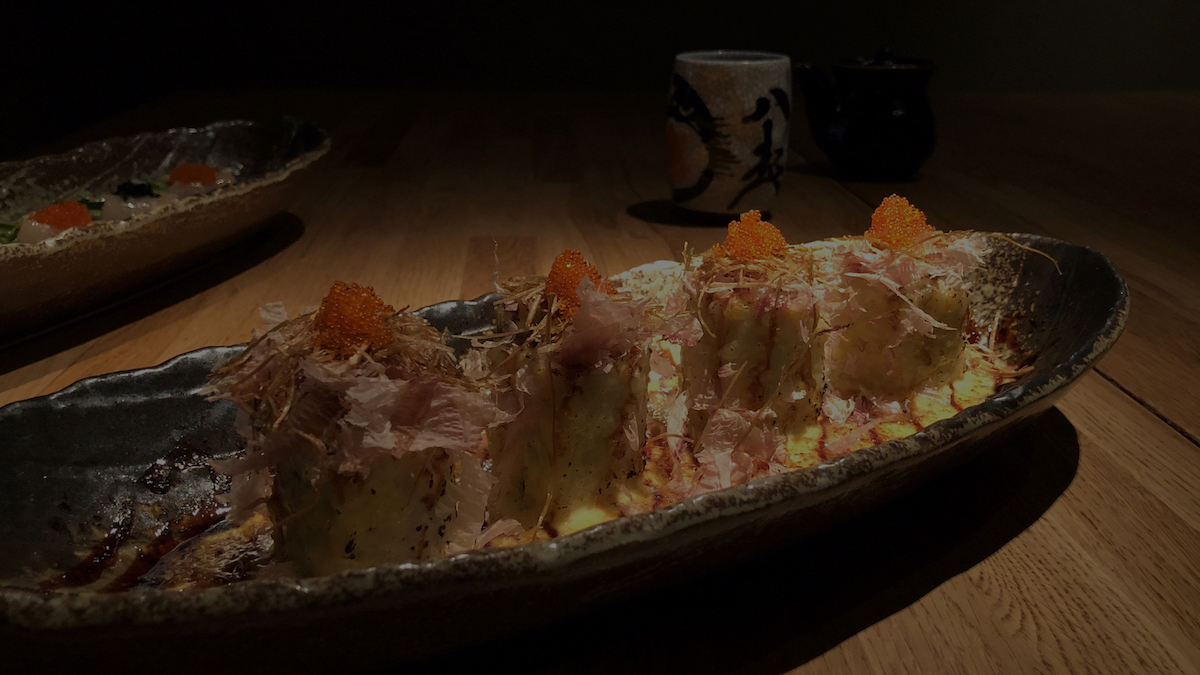
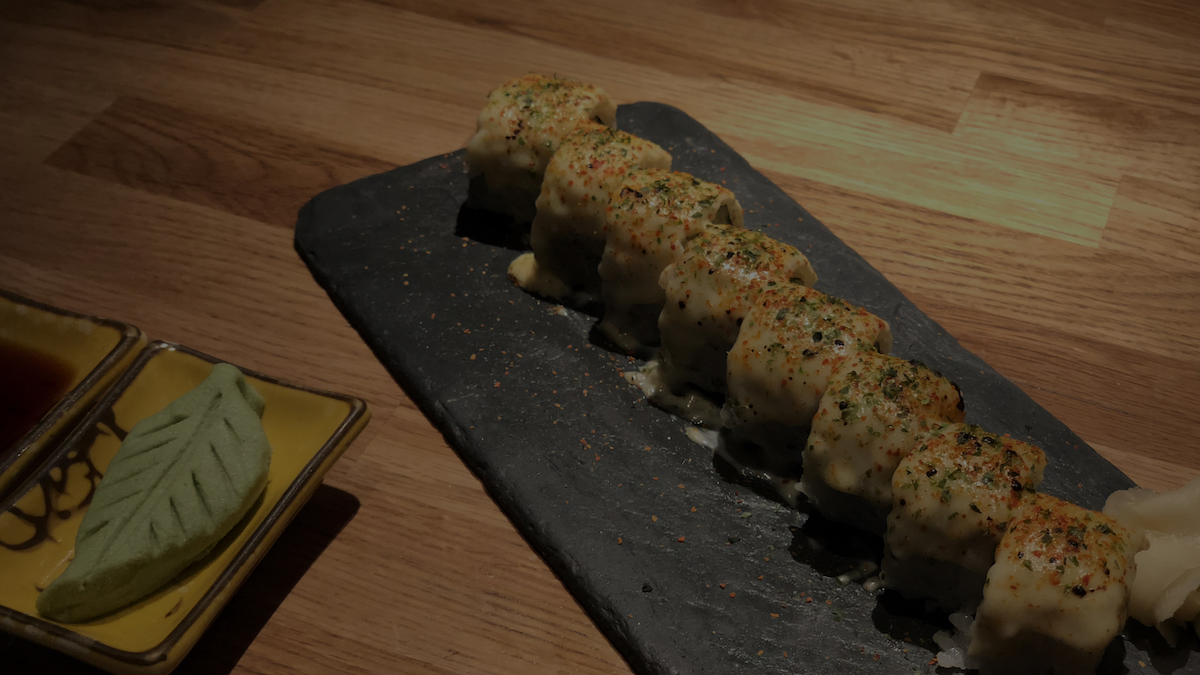
Maki is sushi rolled in seaweed, with rice and fillings inside. A simple cucumber maki is clean and crunchy; a spider maki brings soft-shell crab, avocado and a bit of richness. Maki is useful when you want texture and variety, and it travels well if you’re sharing.
Those three cover most of what you’ll see. There are other styles — temaki hand rolls, inari tofu pockets, chirashi scattered bowls — but if you know nigiri, sashimi and maki, you’re sorted for most menus.
Sushi rice is the quiet hero. It should be seasoned, slightly sticky and served at room temperature, not fridge-cold. If the rice is cold and hard, the rest of the plate will struggle. Nori should be crisp when it arrives, especially on maki rolls. These small details tell you more about a kitchen than a long list of fancy toppings.
Sashimi vs Sushi Rolls: What’s the Real Difference?
The phrase sashimi vs sushi rolls gets used as if they are rivals. They aren’t. Sashimi is fish-first: no rice, no seaweed, nothing to hide behind. Sushi rolls are built around rice and nori, with the filling playing a supporting role. If you want to taste the fish clearly, start with sashimi. If you want crunch, salt, texture and something to share, order maki.
At a sushi counter, the sashimi plate usually arrives cool and clean, often with daikon and a shiso leaf. Take a piece, dip the edge in soy sauce, and eat it. Don’t stir wasabi into your soy like it’s a soup — add a little to the fish if you want heat. The same goes for nigiri: dip the topping, not the rice, or the rice will crumble and the soy will overpower everything.
One practical note for London menus: sashimi is often priced per slice or per portion, while maki rolls are usually listed as a set number of pieces. Ask if you’re unsure. Nobody at the counter will mind.
If you’re ordering for a group, a mix works best. Put a sashimi plate in the middle, add a couple of maki rolls, then let people pick at nigiri. That way nobody ends up with a plate of the same thing and everyone tries a bit more. It also makes a weekday lunch feel generous without turning into a feast.
Maki rolls are not the lesser option. They are just a different pleasure: rice, seaweed, filling and a bit of mess. A good spider maki has crunch and richness; a cucumber maki clears the palate. Order both and you’ll see the point.
A Nigiri Guide London Diners Can Actually Use
Think of this as a short nigiri guide London eaters can use at the counter. Sit at the counter if you can. You’ll see the fish being sliced, the rice being pressed, and the pace of service. On a quiet Tuesday in South Kensington, that might mean a relaxed chat about what’s freshest. On a Friday evening in Soho, it means watching a busy room work with quiet precision.
Nigiri is designed to be eaten in one bite. Pick it up with your fingers if that feels natural — it’s traditional and it stops the rice falling apart. Turn it over, dip the fish edge lightly in soy sauce, and eat. If you’re using chopsticks, that’s fine too. The main rule is: don’t leave it sitting in a puddle of soy.
When you order, mix it up. A couple of salmon nigiri, a tuna nigiri, maybe something cooked like eel or prawn. Add a piece of sashimi if you want to compare. Add a maki roll if you want crunch. You don’t need a giant platter to have a good meal; three or four pieces plus a roll is a proper lunch.
A word on wasabi: it’s there to season, not to prove a point. Use a little, taste, then add more if you want. The same applies to soy sauce. Good fish doesn’t need to be drowned. If you’re trying nigiri for the first time, ask for a piece without wasabi and add it yourself. Most places will do that happily.
Nigiri is also a good way to judge a kitchen. If the rice holds together but still feels light, and the fish tastes clean, you’re in safe hands. If the topping slides off or the rice is heavy, order maki and something hot instead. It’s not a disaster; it’s just information.
The Difference Between Nigiri, Sashimi and Maki — and How to Order
The difference between nigiri, sashimi and maki comes down to three things: rice, slicing and seaweed. Nigiri has rice and a topping. Sashimi has no rice and is all about the slice. Maki has rice and seaweed, with the filling rolled inside. That’s the simple version. The longer version is about texture. Nigiri is soft and balanced. Sashimi is clean and direct. Maki is crunchy, savoury and often a bit more playful.
Ordering gets easier when you think in courses. Start with sashimi or a few pieces of nigiri. Then move to maki rolls or something hot from the kitchen. At Dozo Sushi, the rooms are cosy and modern: the Soho site on Old Compton Street is handy for theatreland, late-night dining and a wander towards Chinatown, while the South Kensington site on Old Brompton Road fits a museum-day lunch near South Kensington tube. That difference in mood matters. A relaxed lunch crowd in SW7 might order a lunch set and green tea ice cream; a Friday evening in Soho might call for spider maki, beef nabe and a glass of sake.
Browse the full Soho sushi, sashimi and maki menu if you want to plan a Friday night, or look at the full South Kensington menu for a museum-day lunch. If you’re coming with someone who doesn’t eat raw fish, there are cooked dishes too — beef nabe is a good one to share, and green tea ice cream is a gentle finish.
Dozo has been on Old Brompton Road since 2011 and on Old Compton Street since 2013, so the menus have had time to settle. The Soho room suits a pre-theatre bite or a late table after a show; the South Kensington room suits a slower lunch after the museums. Neither is a place to rush. Order a few things, share, and see what you like. That’s how most people learn to eat sushi.
If you’re new to sushi, this is the order I’d suggest: one sashimi plate to share, two or three nigiri each, then a maki roll or two. Add edamame or soup if you’re hungry. If you’re not drinking, green tea works well. If you are, sake or a Japanese whisky highball is a good match with maki and grilled dishes. The kitchen will guide you if you ask.
FAQ: Sushi Questions London Diners Ask
Is sashimi just sushi without rice?
Broadly, yes. Sashimi is sliced fish served without rice. Sushi is the wider family, and it usually involves seasoned rice. So sashimi can be part of a sushi meal, but it isn’t a sushi roll. If you want the cleanest taste of the fish, order sashimi first.
What should I order first if I’m new to sushi?
Start with a piece of nigiri and a piece of sashimi, then try a maki roll. That gives you the three main textures without committing to a huge plate. If you’re unsure, ask for a mixed plate or a lunch set. The short version of types of sushi explained is simple: taste, compare, then order more of what you like.
Do I eat nigiri with my hands?
Yes, you can. Pick it up gently, dip the fish edge in soy sauce, and eat it in one bite. Chopsticks are fine too. The only real rule is not to drown the rice in soy, because it falls apart and the flavour gets lost.
Ready to put this to use? The Soho weekday lunch sets run Monday to Friday, 12–3pm, and you can check the Dozo contact page for directions and opening hours for both rooms.