Omakase is one of those Japanese words that has quietly settled into London restaurant chat. You'll see it chalked on boards in Soho, dotted through Instagram captions from counter seats, and mentioned whenever somebody is hunting for a proper birthday dinner. In plain English, omakase means “I leave it up to you”. The diner hands over the decision; the chef decides what arrives next. No menu to study, no agonising over maki rolls while the table next to you eats something better.
The omakase London scene has grown up quickly, shaped by small counters, ambitious chefs and a city that eats late. It has also become a term people use loosely, sometimes well past what it traditionally means. So here's omakase explained, without the jargon: what it is, what it isn't, and where it fits around the way we actually eat in this city.
What does omakase actually mean?
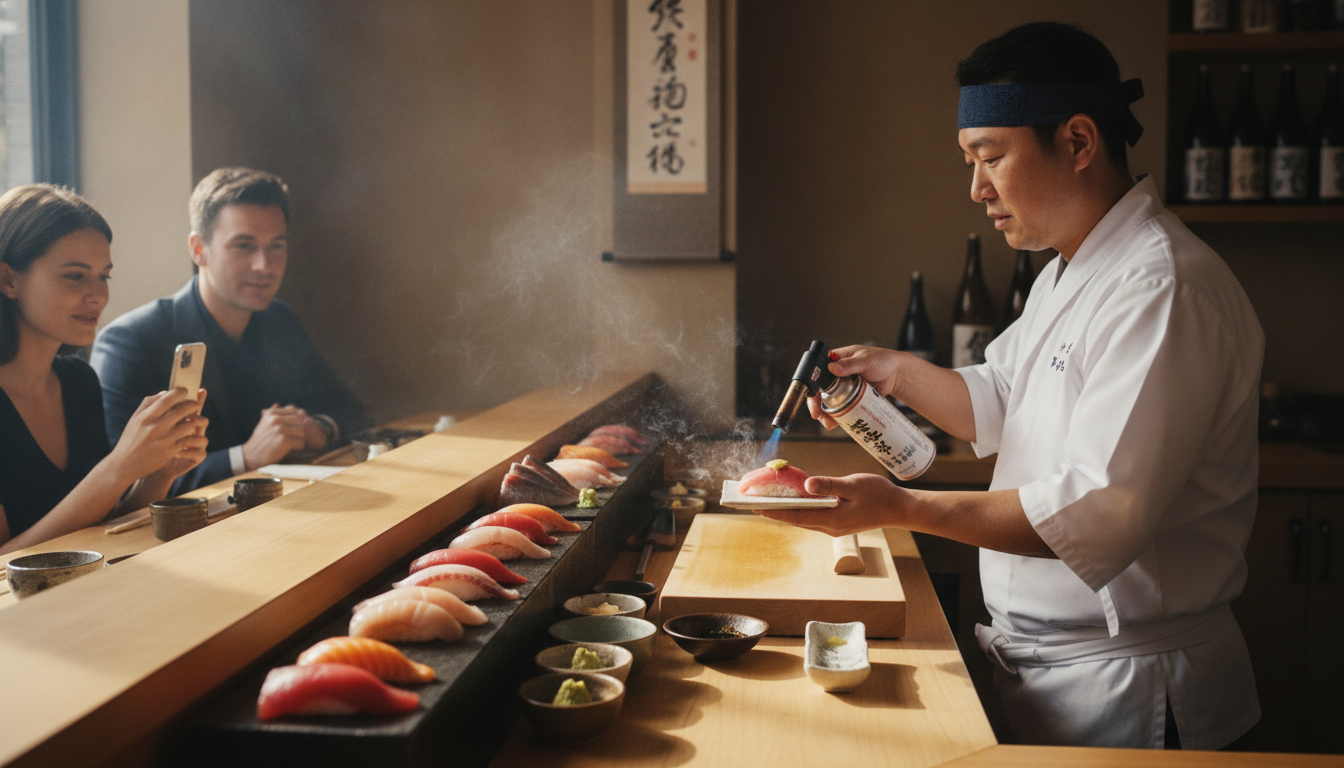
At its heart, omakase is chef-choice sushi. You sit down, say roughly how hungry you are, flag anything you can't eat, and the chef builds a sequence. Traditionally it's served piece by piece at a counter, each piece of nigiri handed over the moment it's made. Eat it in one bite, within seconds. That timing matters more than most people realise — the rice is warm, the fish cool, and the contrast doesn't last.
A sitting usually follows a loose arc. It opens with lighter, leaner fish, moves through richer cuts, then slows with something grilled, simmered or steamed. A bowl of soup may appear. Sometimes a small dessert rounds things off — green tea ice cream is a familiar favourite. A good chef reads the room as they go, which is why two people at the same counter on the same night can eat quite differently.
None of it is rigid. Sashimi might come before nigiri. There may be a course built around whatever looked good at the market that morning. At some counters the chef barely speaks; at others they'll talk you through every slice. Both are normal. Neither means you've picked the wrong place.
Separate omakase from two things it gets muddled with. A set menu is fixed and known in advance. A tasting menu is a designed sequence, usually written down. Omakase is decided live, and it can shift halfway through depending on how you're eating.
The word itself is a polite Japanese phrase, translating roughly as “I’ll leave it to you”. There's a small act of trust built into it. You're not simply ordering dinner; you're handing over the choices.
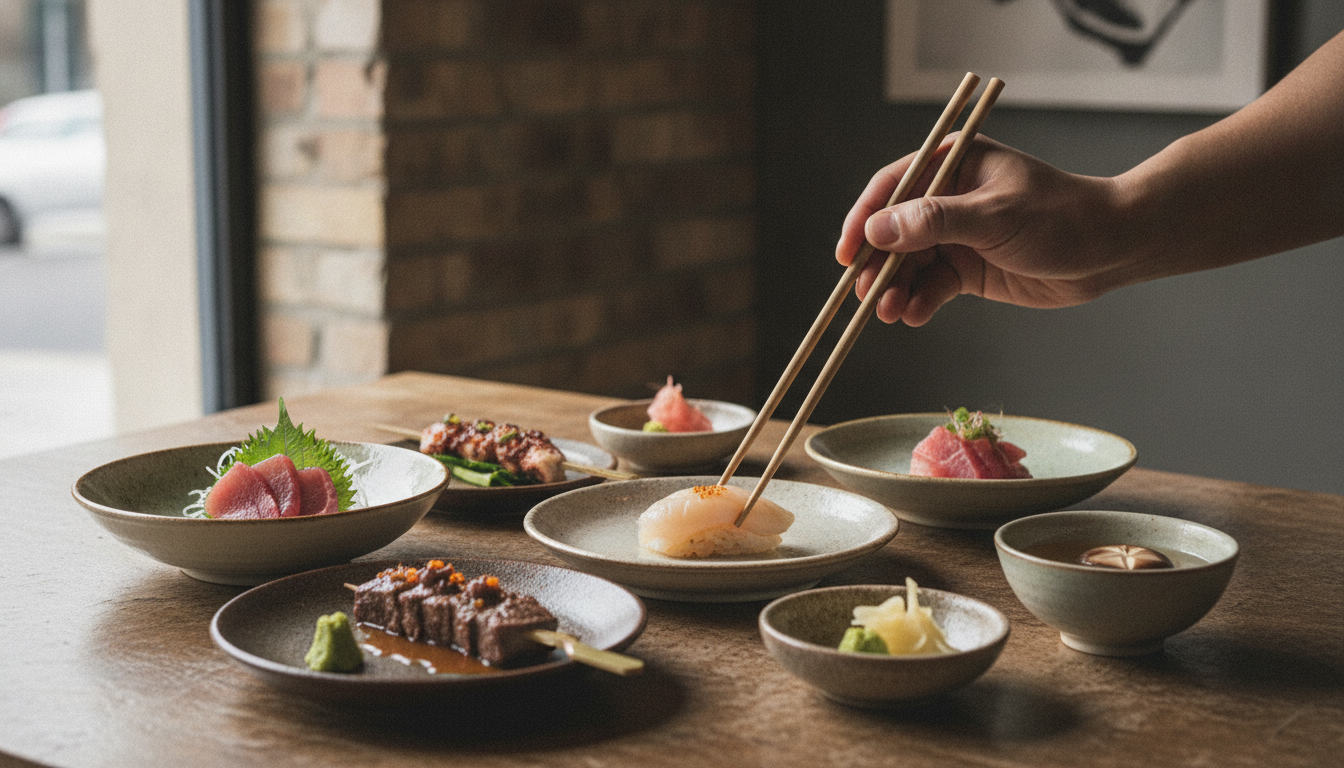
Chef-choice sushi at the counter: what the evening feels like
A sushi counter is a particular kind of night out. Eight seats, maybe ten. A slab of pale wood. A glass case with the evening's fish laid out like something in a jeweller's window. The chef works in front of you, slicing to order, and there's a rhythm to it — a few minutes of quiet while your next piece is built, then the brief exchange as it lands.
Watch the sashimi corner of the counter if you can. That's where the knife work happens, and it's the best advertisement for the food you're about to eat: clean, thick slices of fish, arranged with care, nothing fussed over.
Friday evening in Soho is its own scene. Old Compton Street fills with theatregoers grabbing something early before curtain-up, and the same stretch turns into late-night dining territory once the pubs empty. Chinatown is two minutes away, so there's a steady drift between the two. Book a counter seat at 9.30pm on a Friday and you'll get a livelier room than on a Tuesday; book at six and you'll be eating alongside people checking their watches.
The trade-off is time. Omakase is a slow meal. Two hours is ordinary; some counters run closer to three. If you've got tickets, don't take the 7pm slot and expect to be out by 8.15.
Counter etiquette is more relaxed in London than people fear. You don't need to know the Japanese name for every fish. You don't need chopsticks for nigiri — fingers are fine, and plenty of chefs prefer it. If you're new to sushi, say so. Chefs tend to like an honest diner more than a nervous one.
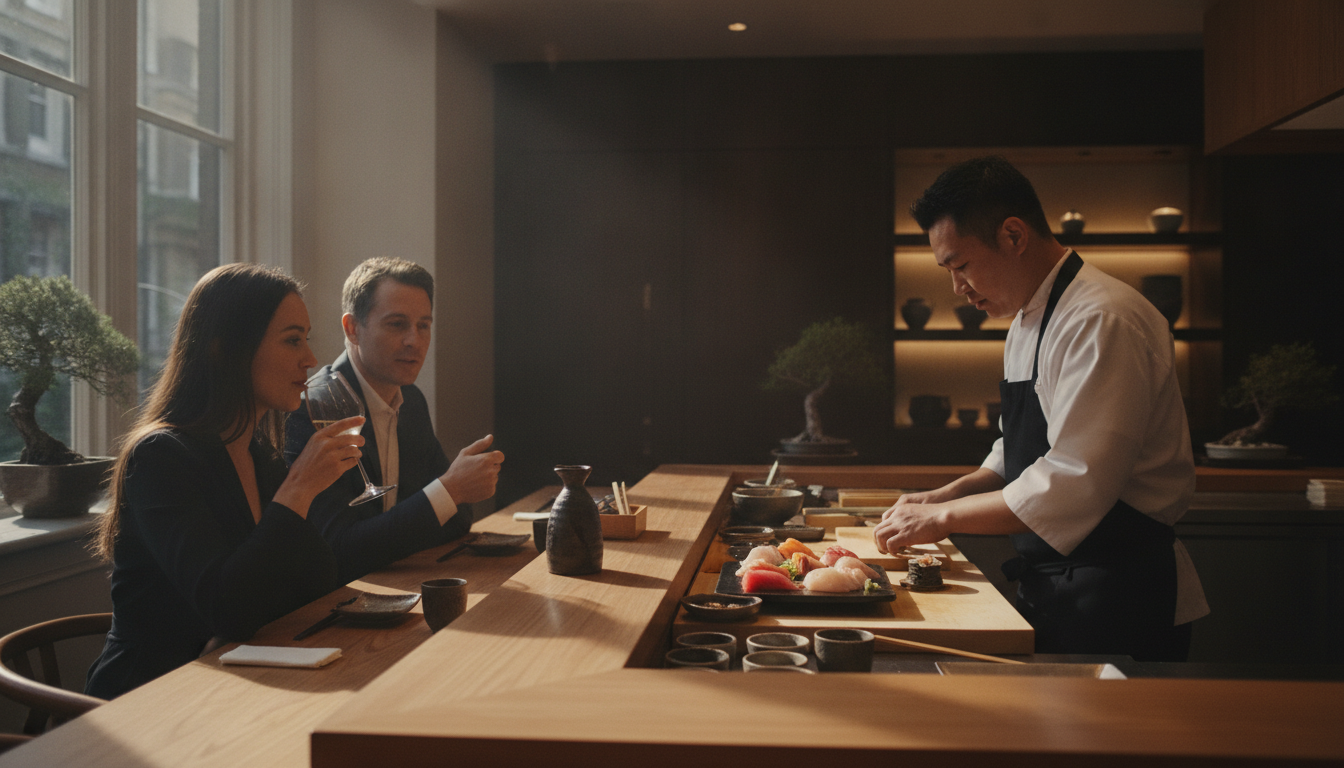
Omakase London and the Japanese tasting menu London already knows
If you've eaten a tasting menu in a European restaurant, you'll recognise the shape of the evening but not the detail. A Western tasting menu is usually a printed list with a set number of courses and a wine flight to match. Omakase is looser. There may be no written menu at all. The number of courses is approximate rather than promised. The pairing is more likely to be sake than wine.
Sake deserves a word of its own. Served chilled in a small glass or a little wooden box, it works with sushi in a way a heavy red simply doesn't. If you've always skipped it, one glass alongside a few slices of sashimi will tell you more than any description. Japanese whisky turns up on plenty of lists too, and a highball is a decent way to finish.
There's a practical difference as well. A Japanese tasting menu in London usually has a price on the website. Omakase is often priced by what the chef decides to serve, which means the bill can move. Reputable counters will give you a rough starting figure when you book, and some will ask what you'd like to spend. Ask before you sit down — it's a normal question, not a rude one.
Omakase London has a handful of serious counters and a longer list of places that use the word a bit loosely. That's not a scandal; it's simply useful to know. Omakase only works when the kitchen has the fish and the discipline to justify it. A middling omakase is a long, expensive way to eat average sushi.
Keep in mind too that omakase isn't automatically better than ordering off a menu. It's a different experience: more concentrated, more expensive, more dependent on the chef having a good night.
Omakase or à la carte? Where it fits in Soho and South Kensington
Here's the part that matters for most people reading this. Omakase is one way to eat Japanese food, and for plenty of evenings it isn't the right one. It's long, focused and usually expensive, and it rewards curiosity and patience. If what you actually want is to share a few plates, have a beer and be home by nine, à la carte is better — and there's no shame in that.
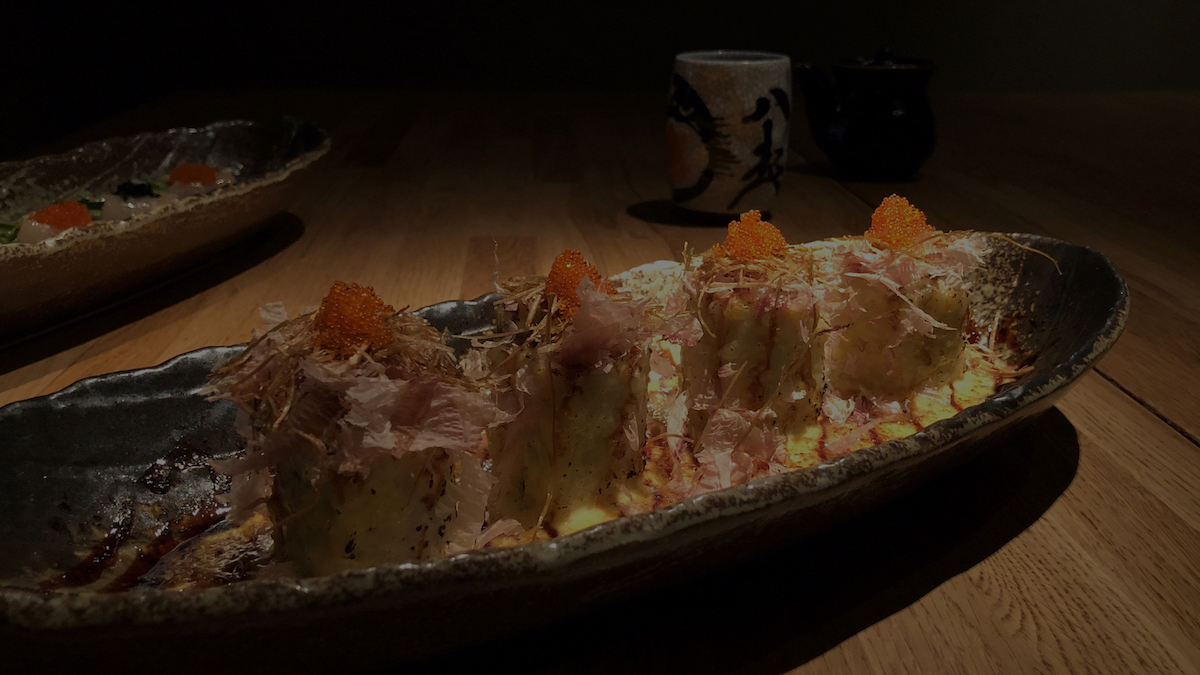
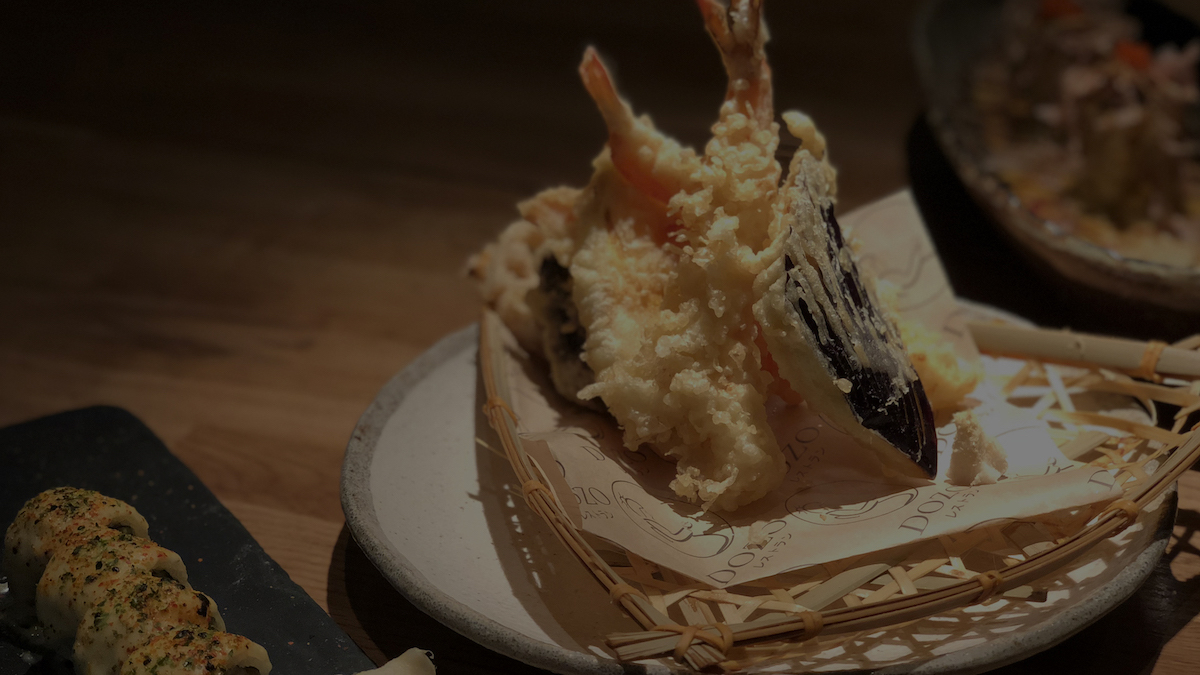
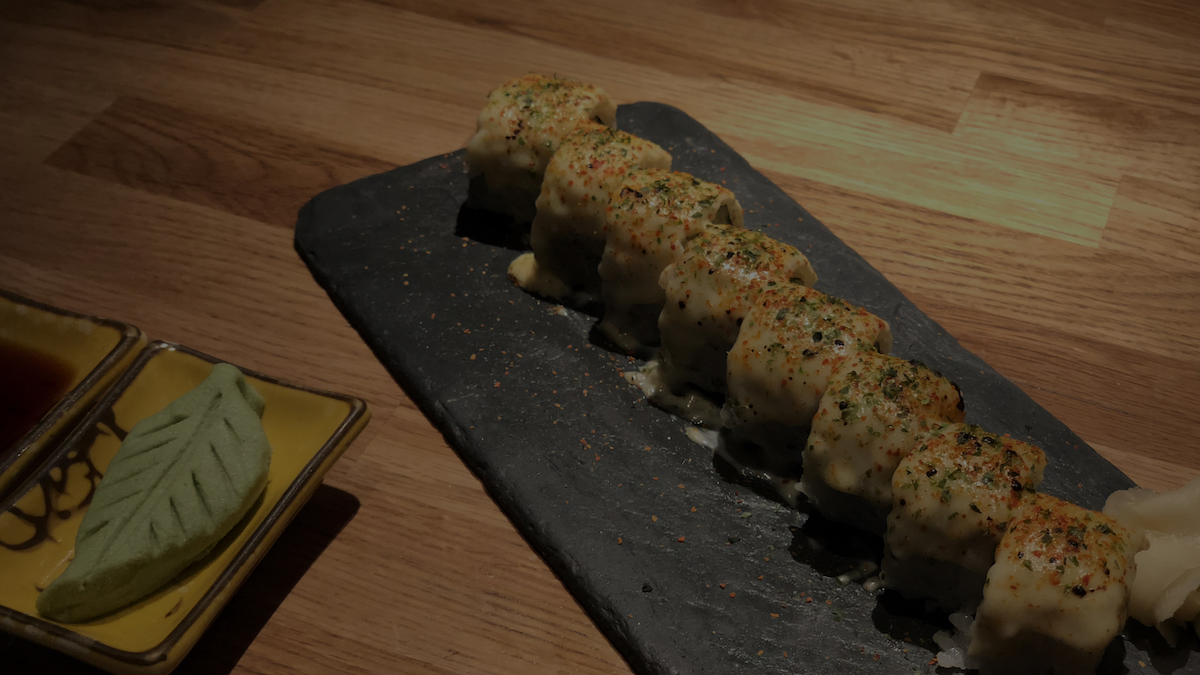
Dozo doesn't bill itself as an omakase counter, and that's deliberate. Both kitchens cook contemporary Japanese food across a broad menu — nigiri, sashimi, maki rolls and larger dishes built for sharing. The spider maki is the one regulars keep coming back to; beef nabe is a good shout on a cold evening. You can see the whole range on the Dozo Soho sushi, sashimi and maki menu, or the Dozo South Kensington Japanese menu if you're heading west.
In practice, that means you can build your own version of the experience. A couple of pieces of nigiri to start. A plate of sashimi next. A maki roll. Then something warm, and a scoop of green tea ice cream to finish. Pace it out and it's a gentler way into Japanese cooking than committing to a two-hour counter booking — and it's how most people in London actually eat.
Drinks are part of it. A glass of sake alongside sashimi, or a Japanese whisky afterwards, changes the meal more than you'd expect. The Soho list of sake, Japanese whisky and cocktails at Dozo Soho covers most moods.
South Kensington has a rhythm of its own. Old Brompton Road sits a few minutes from the museums — the V&A, the Natural History Museum, the Science Museum — and the lunch crowd there is a relaxed one: families, students, a few people escaping a conference, plenty who've walked out of an exhibition and realised it's half two. South Kensington tube is right there, which helps.
If that's your day, a lunch set is the sensible move. The South Kensington kitchen has been running since 2011 and does weekday lunch sets that slot neatly into a museum afternoon — see the South Kensington weekday lunch sets, then walk straight back to the V&A.
Soho is a different animal. Dozo opened on Old Compton Street in 2013, a few doors from the theatres, and it works at both ends of the evening: an early plate before a show, or a proper late dinner once the curtain comes down. The Soho weekday lunch sets run Monday to Friday, 12–3pm, if you're in the area during the day rather than the night.
Late-night Soho has its own logic. After the theatres empty, the streets quieten, then fill again with people who've been somewhere else first. A bowl of beef nabe at ten o'clock, or a final few pieces of nigiri and a glass of sake, is a very good way to end a Friday.
Omakase FAQ
Is omakase the same as a tasting menu?
Not quite. A tasting menu is usually a designed sequence, printed or at least fixed in advance. Omakase is decided live by the chef, and it can shift partway through depending on what's good that day and how the room is going. The two overlap in spirit, but omakase is less predictable and lighter on ceremony.
Do I need to book, and how expensive is it?
For a genuine omakase counter, book. Seats are few and Friday and Saturday go early, often weeks ahead. On cost: it is not a cheap night out, and prices vary a lot between counters. À la carte, by contrast, can be as modest as you like — a couple of plates and a drink is a perfectly good dinner. Ask about the price when you book so there are no surprises on the night.
Can I eat omakase if I don't like raw fish?
Honestly, it's an awkward fit, since so much of the meal is sashimi and nigiri. Tell the chef when you sit down and most will lean on cooked courses — grilled fish, simmered dishes, vegetables. If raw fish isn't your thing at all, an à la carte menu is the friendlier route, where you can pick and choose without pressure.
Fancy a sushi dinner without the counter commitment? Have a look at the Dozo Soho sushi, sashimi and maki menu and work out what you're in the mood for, or head to Dozo locations and opening hours if you already know which site suits.
- Soho: 32 Old Compton St, London W1D 4TP — 020 7434 3219
- South Kensington: 68 Old Brompton Rd, London SW7 3LQ — 020 7225 0505